
Why This Comparison Matters Right Now

If your credit score is holding you back from renting an apartment, getting approved for a car loan, or even passing a background check for a new job, you already know how frustrating it is. You have two realistic paths forward: traditional credit repair or a Credit Privacy Number (CPN). Both aim to solve the same problem, but they work in completely different ways, on completely different timelines, and with very different results.
Traditional credit repair has been around for decades. Companies charge you monthly fees — usually somewhere between $79 and $149 — to dispute negative items on your credit report. They send letters. They wait. They send more letters. Sometimes items get removed. Sometimes they do not. The whole process can drag on for six months to a year, and at the end of it, you might still have a score that locks you out of the opportunities you need right now.
A CPN takes a different approach entirely. Backed by the Privacy Act of 1974, a CPN is a nine-digit number that you can use in place of your Social Security Number for credit-related transactions. It gives you a clean slate. No waiting months for disputed items to fall off. No paying $100+ every month while hoping for the best. You start fresh, and you build from there.
This article breaks down both options side by side so you can decide which one actually makes sense for your life and your goals. We are not going to sugarcoat the limitations of credit repair, and we are going to give you the straight facts about CPNs that most websites will not tell you.
What Exactly Is Credit Repair?
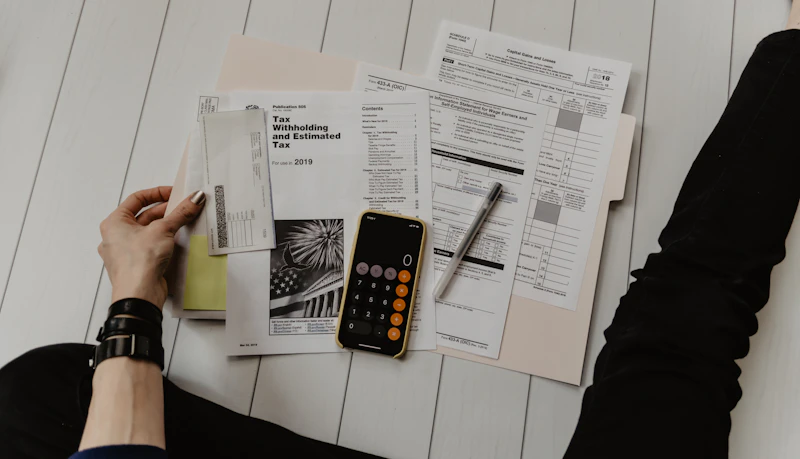
Credit repair is the process of disputing inaccurate, outdated, or unverifiable information on your credit reports with the three major bureaus: Equifax, Experian, and TransUnion. The Fair Credit Reporting Act (FCRA) gives every consumer the right to dispute items they believe are wrong.
Here is how it typically works. A credit repair company pulls your reports, identifies negative items, and sends dispute letters to the bureaus. The bureaus then have 30 days to investigate. If the creditor who reported the item cannot verify it, the bureau must remove it. Sounds straightforward, right?
In practice, it rarely goes that smoothly. Creditors often verify items even when the information is questionable. Bureaus sometimes stall or send generic responses. And here is the part that gets glossed over: credit repair can only remove items that are genuinely inaccurate or unverifiable. If you have legitimate late payments, charge-offs, or collections on your report, credit repair companies cannot wave a magic wand and make them disappear. Those items can stay on your report for seven to ten years.
The average credit repair client spends between $500 and $1,800 over the course of treatment, and many end up disappointed with the results. Some see a modest improvement of 30 to 50 points. Others see almost no change at all. It depends entirely on what is on your report and whether the negative items can be successfully disputed.
Credit repair works best for people who have a small number of inaccurate items dragging their score down. If your credit problems are more extensive — multiple collections, old charge-offs, a history of late payments — credit repair is like trying to patch a leaky roof one shingle at a time while it is still raining.
What Is a CPN and How Does It Work?

A Credit Privacy Number is a nine-digit identification number that can be used instead of your Social Security Number when applying for credit. The legal foundation for CPNs comes from the Privacy Act of 1974, which established that Americans have the right to control how their personal information — including their Social Security Number — is used and disclosed.
Think of it this way. Your SSN was originally created for Social Security Administration purposes and tax reporting. Over time, it became the default identifier for everything from credit applications to gym memberships. The Privacy Act recognized that people should not be forced to hand over their SSN for every transaction, especially when doing so puts them at risk of identity theft and financial harm.
A CPN gives you a fresh credit profile. When you use it for credit applications, the bureaus create a new file. There is no negative history attached to it. No collections. No charge-offs. No late payments from five years ago haunting your every move. You start with a clean file and build positive credit history from scratch.
This is especially powerful for people who have been victims of identity theft. If someone stole your SSN and wrecked your credit, a CPN lets you step away from that damaged file and start over without carrying the burden of someone else’s actions. It is a privacy tool and a financial recovery tool rolled into one.
The process of getting a CPN is straightforward. You work with a reputable provider who issues the number, and then you begin establishing credit using the CPN. Most people start with secured credit cards or retail accounts, make on-time payments, and watch their new credit profile grow. Within 60 to 90 days, many CPN users have a usable credit score. Compare that to the six to twelve months that credit repair demands — often with far less predictable results.
The Real Cost Comparison

Money matters. Let us break down what each option actually costs you — not just in dollars, but in time and opportunity.
Credit Repair Costs:
- Monthly fees: $79 to $149 per month
- Setup fees: $0 to $199 (many companies charge an initial fee)
- Average duration: 6 to 12 months
- Total cost: $500 to $1,800+
- Results: Unpredictable. Some items removed, many remain.
- Opportunity cost: Every month you wait is a month you cannot get approved for housing, transportation, or business financing.
CPN Costs:
- One-time fee: Varies by provider
- No recurring monthly charges
- Time to usable credit: 60 to 90 days
- Results: Clean slate from day one
- Opportunity cost: Minimal. You are building forward immediately instead of fighting backward.
When you factor in the time value, the comparison becomes even more lopsided. If you need an apartment now, a car now, or business funding now, waiting six to twelve months for credit repair to maybe work is not realistic. A CPN lets you move forward on your timeline, not the credit bureau’s timeline.
Who Benefits Most from a CPN?

CPNs are not just for one type of person. They serve a wide range of situations where traditional credit repair either falls short or takes too long to matter.
Identity theft survivors. If your SSN has been compromised and your credit destroyed by someone else, a CPN is your fastest path to financial recovery. Trying to repair credit that was damaged by a thief can take years of disputes, police reports, and frustration. A CPN sidesteps all of that.
People with severely damaged credit. If your score is below 500 and your report is packed with collections, charge-offs, and late payments spanning multiple years, credit repair is not going to fix that in any reasonable timeframe. A CPN gives you a realistic path forward.
Domestic violence survivors. People who have left abusive situations sometimes need to separate their financial identity from their abuser. A CPN provides that separation and allows them to build an independent credit profile.
People facing time-sensitive needs. If you need to secure housing, finance a vehicle for work, or qualify for business funding within the next 30 to 90 days, credit repair simply cannot deliver on that timeline. A CPN can.
Privacy-conscious individuals. Some people simply do not want their Social Security Number floating around in dozens of databases, exposed to potential data breaches. The Privacy Act of 1974 supports this concern, and a CPN is one practical solution.
The Privacy Act of 1974: Your Legal Foundation

The Privacy Act of 1974 (5 U.S.C. 552a) was passed by Congress to address growing concerns about how the federal government and other entities collected, maintained, and used personal information. One of its core provisions is that no individual can be denied any right, benefit, or privilege provided by law because they refuse to disclose their Social Security Number.
This matters because it establishes a clear legal principle: your SSN is your personal information, and you have the right to decide when and how it gets used. The law recognized that over-reliance on a single identifier creates serious privacy and security risks. It acknowledged that Americans deserve alternatives.
CPNs operate within this framework. They provide an alternative identification number for credit purposes, allowing individuals to exercise their privacy rights while still participating in the credit system. The number itself is legitimate, and using it for credit applications is an exercise of rights that Congress specifically protected.
This is not some loophole or gray area. Congress passed this law specifically because they understood that people needed protection from having their entire financial lives tied to a single number that, if compromised, could destroy everything they had built.
Credit Repair: What They Do Not Tell You

The credit repair industry is worth over $10 billion, and much of that revenue comes from keeping people on monthly subscriptions for as long as possible. Here are some things credit repair companies often fail to mention during the sales pitch.
You can dispute items yourself for free. Everything a credit repair company does — sending dispute letters, requesting validation, challenging inaccuracies — you can do yourself at no cost. The FCRA gives you the right to dispute directly with the bureaus. You do not need to pay someone $100+ a month to write letters on your behalf.
Removed items can come back. Even when a credit repair company successfully gets an item removed, the creditor can re-report it. This happens more often than the industry would like to admit. You might celebrate a 40-point score increase one month, only to see that item reappear 60 days later.
Legitimate negative items cannot be removed. If you genuinely missed payments or defaulted on a loan, those records are accurate. No amount of dispute letters will permanently remove accurate information. Credit repair works on inaccuracies, not on history you wish you could erase.
The timeline is unpredictable. Credit repair companies love to show testimonials from their best cases. What they do not show you is the large percentage of clients who spend six, nine, or twelve months paying fees with minimal improvement.
It does not address the root problem. Even if credit repair cleans up some items, your credit file still carries your full history. Lenders can see the age of your accounts, your utilization patterns, and the overall trajectory of your credit behavior. A patched-up report is still a patched-up report.
Building Credit with a CPN: A Step-by-Step Overview

Once you have your CPN, building credit follows a proven path. Here is what the process looks like in practice.
Step 1: Secure your CPN from a reputable provider. Work with an established company that walks you through the process and provides ongoing support. Not all providers are equal, so do your research.
Step 2: Open initial credit accounts. Start with accounts that are designed for credit building: secured credit cards, retail store cards, and credit-builder loans. These accounts report to the major bureaus and establish your new credit file.
Step 3: Practice responsible usage. Keep your utilization below 30%, make every payment on time, and avoid opening too many accounts at once. The same good habits that build any credit profile apply here.
Step 4: Monitor your progress. Within 30 to 60 days, your new accounts will start reporting and a credit score will generate on your new file. By 90 days, most people have a score in the mid-600s to low 700s if they have followed responsible usage patterns.
Step 5: Graduate to better products. As your CPN credit profile matures, you qualify for unsecured credit cards, personal loans, and other financial products with better terms and higher limits.
The beauty of this approach is that you control the outcome. With credit repair, you are at the mercy of creditors and bureaus. With a CPN, your results depend on your behavior going forward. That is a much more empowering position to be in.
30 Most Common Questions About CPN vs Credit Repair
1. What is the main difference between a CPN and credit repair?
Credit repair attempts to fix your existing credit report by disputing negative items. A CPN gives you an entirely new credit file, backed by the Privacy Act of 1974, so you can start building fresh without the weight of past negative history. Credit repair patches the old; a CPN builds new.
2. Are CPNs legal?
Yes. The Privacy Act of 1974 established that individuals have the right to control how their Social Security Number is used and to use alternative identification numbers. CPNs operate within this legal framework as a privacy protection tool.
3. How long does credit repair take compared to getting a CPN?
Credit repair typically takes 6 to 12 months, and results are never guaranteed. With a CPN, you can begin building credit immediately and often have a usable score within 60 to 90 days.
4. How much does credit repair cost versus a CPN?
Credit repair runs $79 to $149 per month for 6 to 12 months, totaling $500 to $1,800 or more. A CPN is a one-time investment with no recurring monthly fees.
5. Can credit repair remove all negative items from my report?
No. Credit repair can only dispute items that are inaccurate, outdated, or unverifiable. Legitimate negative items — real late payments, actual defaults — typically stay on your report for 7 to 10 years.
6. Who should consider a CPN over credit repair?
Anyone with severely damaged credit, identity theft survivors, domestic violence survivors needing financial separation, people with time-sensitive needs for housing or financing, and privacy-conscious individuals who want to limit SSN exposure.
7. What law supports the use of CPNs?
The Privacy Act of 1974 (5 U.S.C. 552a). This federal law established that no person can be denied a right, benefit, or privilege because they refuse to disclose their SSN, and it protects the right to use alternative identification numbers.
8. Can I use a CPN to apply for credit cards?
Yes. A CPN can be used on credit applications in place of your SSN. Many people start with secured credit cards and retail accounts to build their new credit profile.
9. How quickly can I build a good credit score with a CPN?
Most people who follow responsible credit practices see a score in the mid-600s to low 700s within 90 days. Some reach higher scores within 6 months depending on the number and types of accounts they open.
10. Does credit repair guarantee results?
No legitimate credit repair company can guarantee specific results. The Credit Repair Organizations Act (CROA) actually prohibits credit repair companies from making guarantees. Results depend entirely on what is on your report and whether creditors verify disputed items.
11. Can I do credit repair myself without paying a company?
Yes. Everything a credit repair company does, you can do yourself for free by writing dispute letters directly to the credit bureaus. The FCRA gives you this right. Many people pay for credit repair services that they could handle on their own.
12. Is a CPN the same as a new Social Security Number?
No. A CPN is a separate nine-digit number used specifically for credit-related transactions. It is not a replacement SSN and should not be used for tax filing, government benefits, or employment purposes. It is a credit privacy tool.
13. What happens to my old credit file when I get a CPN?
Your old credit file tied to your SSN remains as-is. The CPN creates a new, separate credit file. Your previous credit history does not transfer to the new file, which is the whole point — you get a clean start.
14. Can credit repair help if I have been a victim of identity theft?
Credit repair can help dispute unauthorized accounts, but the process is slow and often frustrating. Identity theft victims frequently spend months or years trying to clean up damage they did not cause. A CPN offers a faster path by creating a new file entirely separate from the compromised one.
15. How do I choose a reputable CPN provider?
Look for providers with a track record, transparent pricing, customer support, and a clear explanation of the process. Avoid anyone who cannot answer your questions directly or who makes outlandish promises about overnight 800 credit scores.
16. Will credit repair affect my credit score while disputes are pending?
Yes, it can. When items are in dispute, some lenders and scoring models may temporarily exclude those items, which can cause your score to fluctuate. Some mortgage lenders will not approve borrowers who have open disputes on their file.
17. Can I use both a CPN and credit repair at the same time?
You can, but most people find that once they have a CPN and start building a fresh profile, the urgency of credit repair diminishes. Many choose to let the old file age naturally while focusing their energy on building the new one.
18. How does the Privacy Act of 1974 protect my right to use a CPN?
The Privacy Act prohibits any government agency from denying rights or benefits to someone who refuses to provide their SSN (unless required by specific statute). It established the principle that SSN disclosure should not be compulsory, which supports the use of alternative numbers like CPNs for non-governmental purposes.
19. What kind of credit score can I expect after 6 months with a CPN?
With responsible usage — keeping utilization below 30%, making all payments on time, and having a mix of credit types — most people have scores in the 700s after 6 months. Some reach into the mid-to-high 700s.
20. Are there situations where credit repair makes more sense than a CPN?
If you only have one or two inaccurate items on an otherwise solid credit report, a simple dispute (which you can do yourself for free) might be all you need. For anything beyond minor inaccuracies, a CPN is typically faster and more effective.
21. Can creditors see my old credit file if I use a CPN?
No. The CPN creates a separate credit file. Creditors who pull your credit using the CPN will see only the history associated with that number.
22. How does identity theft damage compare to regular bad credit?
Identity theft damage is often more severe and harder to repair because the unauthorized accounts may span multiple creditors and credit types. Victims have to prove each item is unauthorized individually. A CPN bypasses this entire fight by giving you a fresh file unconnected to the compromised SSN.
23. What is the success rate of credit repair?
Industry data varies widely, but studies suggest that only about 20% to 40% of disputed items get permanently removed. Many items are verified by creditors and remain on the report. The success rate depends heavily on the specific items being disputed.
24. Can I get a mortgage with a CPN?
As your CPN credit profile matures and your score grows, you expand the range of financial products available to you. Building a solid credit history on your CPN file opens doors that were previously closed.
25. What are the first accounts I should open with a new CPN?
Start with a secured credit card from a major issuer, a credit-builder loan from a credit union, and one or two retail store cards. This gives you a mix of credit types, which scoring models reward. Keep balances low and payments on time.
26. How long do negative items stay on a credit report?
Most negative items stay for 7 years. Bankruptcies stay for 7 to 10 years. Tax liens can stay indefinitely in some cases. This is why credit repair has such a limited window of effectiveness — you are fighting against a 7-to-10-year clock that keeps ticking regardless of disputes.
27. Is credit monitoring included with credit repair services?
Some credit repair companies include monitoring, but many charge extra for it. You can get free credit monitoring from services like Credit Karma, Experian, or your bank. This is not a unique value that credit repair companies provide.
28. Can a CPN help me if I have a bankruptcy on my record?
Yes. A bankruptcy stays on your credit report for 7 to 10 years and severely limits your financial options during that entire period. A CPN gives you a fresh file without the bankruptcy, allowing you to rebuild and access credit products much sooner than if you waited for the bankruptcy to age off.
29. What should I avoid when building credit with a CPN?
Avoid maxing out credit cards, missing payments, opening too many accounts at once, and applying for credit you are not yet qualified for. The same good credit habits apply whether you are building on an SSN or a CPN. Treat the fresh start with respect.
30. Where can I get started with a CPN today?
Visit CreditPrivacyNumber.com or call 800-597-2560 to speak with a specialist who can walk you through the process, answer your questions, and help you determine if a CPN is the right move for your situation. The consultation is free, and there is no pressure — just honest guidance.
Ready to Take Control of Your Financial Future?
You have spent enough time fighting a system that was not designed to help you recover. Credit repair has its place, but for most people dealing with serious credit damage, it is a slow, expensive, and unpredictable path. A CPN, backed by federal privacy law, gives you what credit repair cannot: a genuine fresh start.
Stop waiting. Stop paying monthly fees for uncertain results. Take the step that thousands of Americans have already taken to reclaim their financial freedom.
Or call us directly: 800-597-2560